
Introduction & Context
Building an emergency kit is a significant accomplishment, but many people make the mistake of viewing it as a one-time project. The reality is that your Emergency Go Bag Maintenance is just as critical as the initial assembly. Over time, food supplies expire, batteries lose their charge, medications degrade, and your personal needs may change as your family grows. Without a consistent schedule for checking your supplies, you risk finding yourself in a survival situation with gear that is broken, expired, or entirely useless. Effective maintenance ensures that your investment remains a reliable lifeline during a crisis.
Whether you are a seasoned prepper or just starting your journey with GoBagCheck, understanding the lifecycle of your supplies is essential. This guide is designed to help you establish a recurring audit process, ensuring that your equipment is always mission-ready. By dedicating just a few hours twice a year to this process, you can rest easy knowing that when disaster strikes, your gear will perform exactly as intended, keeping you and your loved ones safe.
Key Takeaways & Core Concepts
To master the art of long-term readiness, you must treat your kit as a living system that requires periodic updates. Below are the core pillars of a successful maintenance strategy:
- The Biannual Audit: Align your check-ins with daylight savings time changes. This serves as a natural, recurring reminder to inspect every item in your bag.
- Rotation of Consumables: Always apply the ‘First In, First Out’ (FIFO) principle. Use your older food and water supplies in your daily routine and replace them with fresh stock to ensure nothing hits its expiration date inside the bag.
- Environmental Monitoring: Humidity, extreme heat, and freezing temperatures can degrade gear. Regularly check your bag for signs of moisture or material breakdown. For more on this, refer to our guide on Emergency Go Bag Weatherproofing.
- Technological Updates: Batteries and power banks have shelf lives and discharge rates. Even if they haven’t been used, they need to be cycled and tested to ensure they hold a charge.
- Adapting to Life Changes: Your needs are not static. If you have moved, changed jobs, or added a family member, your kit must evolve to reflect your current reality.
Actionable Step-by-Step Guide
Phase 1: The Full Inventory Audit
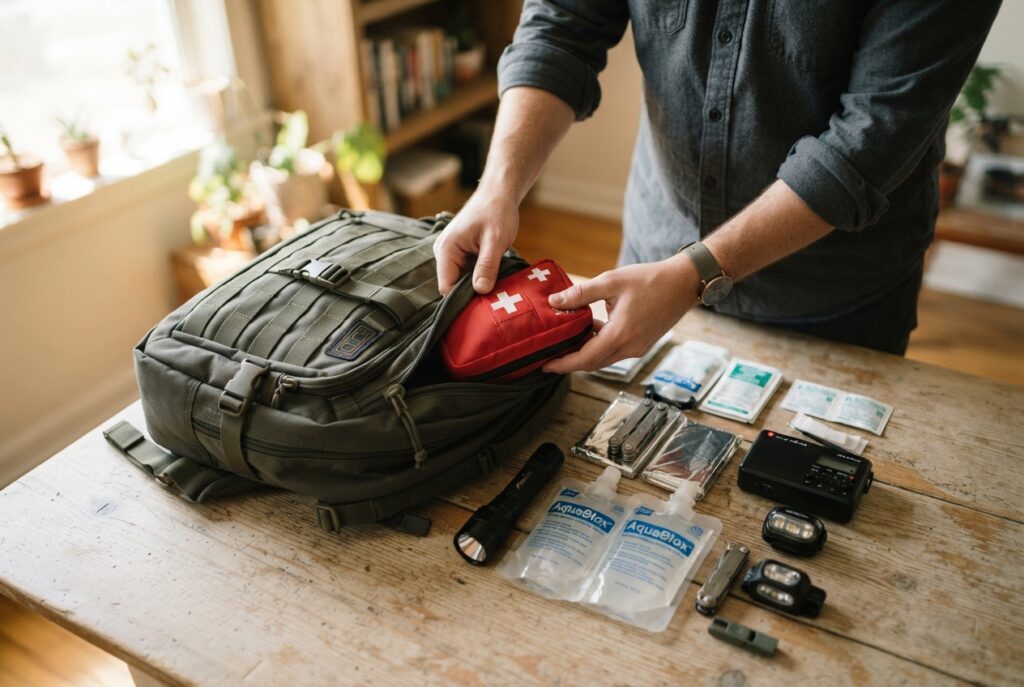
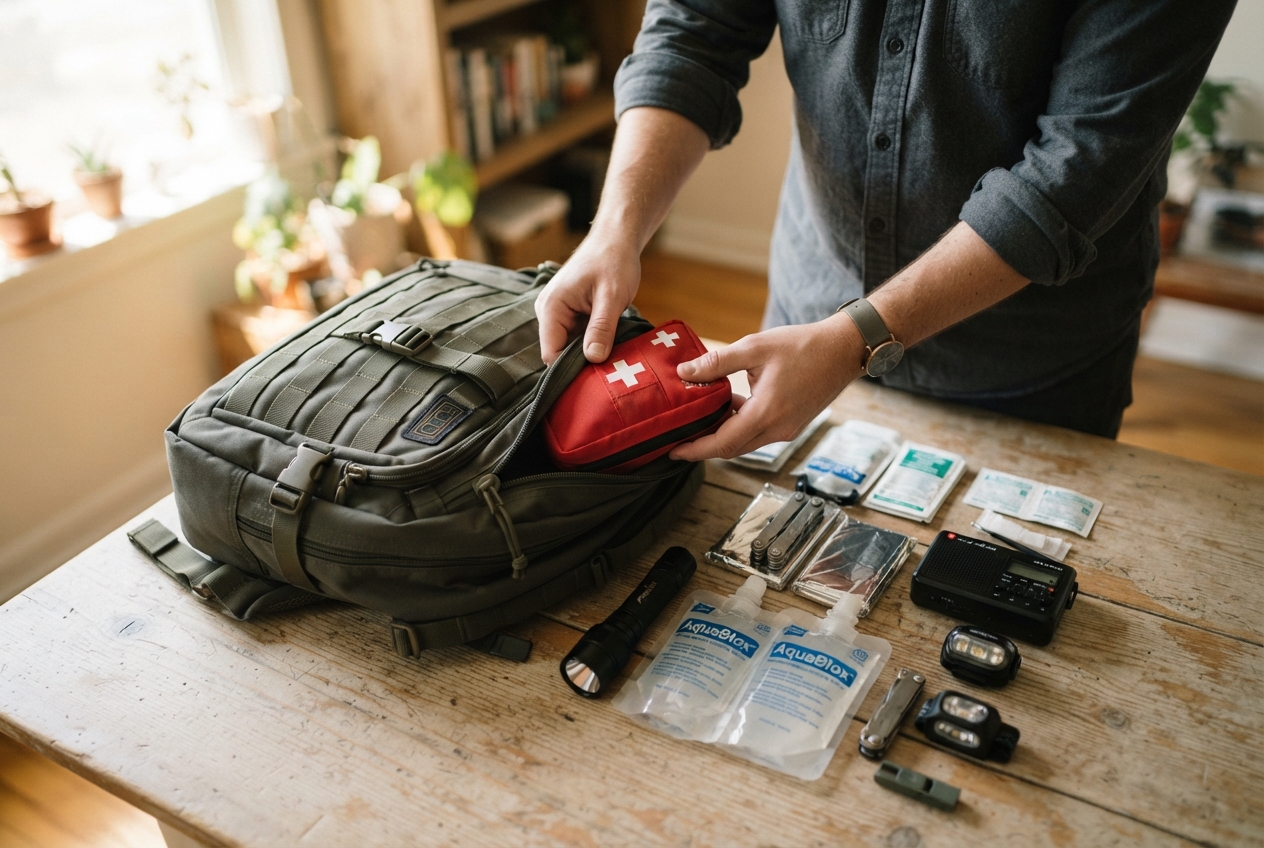
Start by laying out every single item on a clean surface. This allows you to inspect each component physically. Check for rust on tools, leaks in food containers, and frayed edges on straps. If you have not yet created a master list, now is the time to draft an Emergency Go Bag Checklist to keep track of your inventory.
Phase 2: Power and Electronics Refresh
Electronics are notorious for failing when neglected. Remove all batteries from flashlights and radios to prevent corrosion. Test your power banks by charging them to 100% and testing them with a device. If a battery has leaked or a cable is showing wear, replace it immediately. For guidance on keeping your devices functional, consult our resources on Emergency Power Solutions.
Phase 3: Consumables and Medical Supplies
Check the expiration dates on all food and water. If items are within three months of expiring, move them to your pantry for daily use and replace them. Examine your medical kit for expired medications or sterile dressings that have lost their seal. The American Red Cross suggests that medical supplies should be updated at least annually to remain effective.
Phase 4: Repacking and Optimization
Once everything is verified, repack your bag with the heaviest items near the center of your back for better weight distribution. Ensure that high-priority items like your first aid kit and light sources are in exterior pockets for quick access. A well-organized bag is a faster bag.
Frequently Asked Questions
How often should I check my emergency go bag?
We recommend a thorough audit at least every six months. Aligning this with the start and end of Daylight Savings Time makes it easy to remember and ensures your gear is ready for seasonal weather changes.
What should I do with expired food supplies?
If the packaging is intact and the food appears normal, it is often still safe to eat shortly after the ‘best by’ date, but for emergency purposes, it is best to rotate it into your regular household pantry and replace it with fresh, long-shelf-life items.
Do I need to replace my batteries every time I check the bag?
Not necessarily, but you should test them with a battery tester. If they show low power or have been sitting for more than a year, it is safer to replace them with fresh ones to ensure reliability when you need it most.
How do I know if my gear is still relevant to my current lifestyle?
Review your kit annually to see if your circumstances have changed. For example, if you have a new pet, you should add gear specific to their needs, as outlined in our guide on Essential Gear for Pet Owners.
Conclusion & Summary
Maintaining your emergency go bag is a vital responsibility that ensures your preparedness efforts are not in vain. By performing regular audits, rotating your consumables, and testing your electronic gear, you transform your kit from a static collection of items into a dynamic, reliable safety tool. Remember, preparedness is a process, not a destination. Stay vigilant, keep your gear updated, and continue refining your strategy to meet the challenges of an unpredictable world. For further reading on refining your survival skills, visit our blog and news section.
