
Introduction
When preparing for an unexpected disaster, emergency first aid kits are arguably the most important component of your survival strategy. While many people focus on food and water, the ability to treat minor injuries or manage chronic conditions during an evacuation can prevent small problems from becoming life-threatening emergencies. A well-stocked medical go bag ensures that you are ready to provide immediate care for yourself and your family when professional help is delayed or inaccessible.
Key Takeaways & Core Concepts
- Customization is key: Your kit should reflect your family’s specific medical needs, including prescription medications and allergies.
- Portability matters: Keep your supplies in a waterproof, lightweight container that is easy to grab during a rapid exit.
- Regular maintenance: Check your kit every six months to replace expired medications and update supplies.
- Knowledge is power: Having the gear is only half the battle; knowing how to use it is equally critical for effective emergency preparedness.
Simple Action Steps
Assess Your Family’s Specific Medical Needs
Start by reviewing the medications every family member takes daily. Ensure you have at least a 7-day supply of these essentials stored in your kit. If anyone has specific health conditions, such as asthma or diabetes, include the necessary devices like inhalers or glucose monitors. You can learn more about organizing your vital records to accompany these supplies in our guide on Emergency Go Bag Documentation.
Build Your Core Trauma Supply
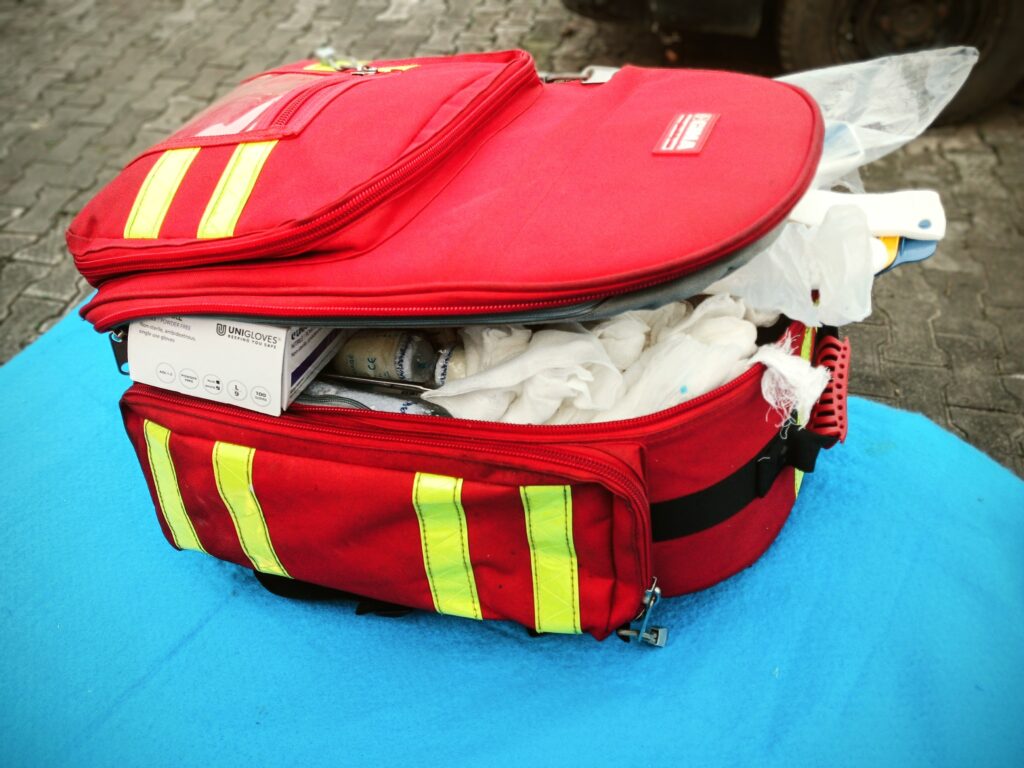
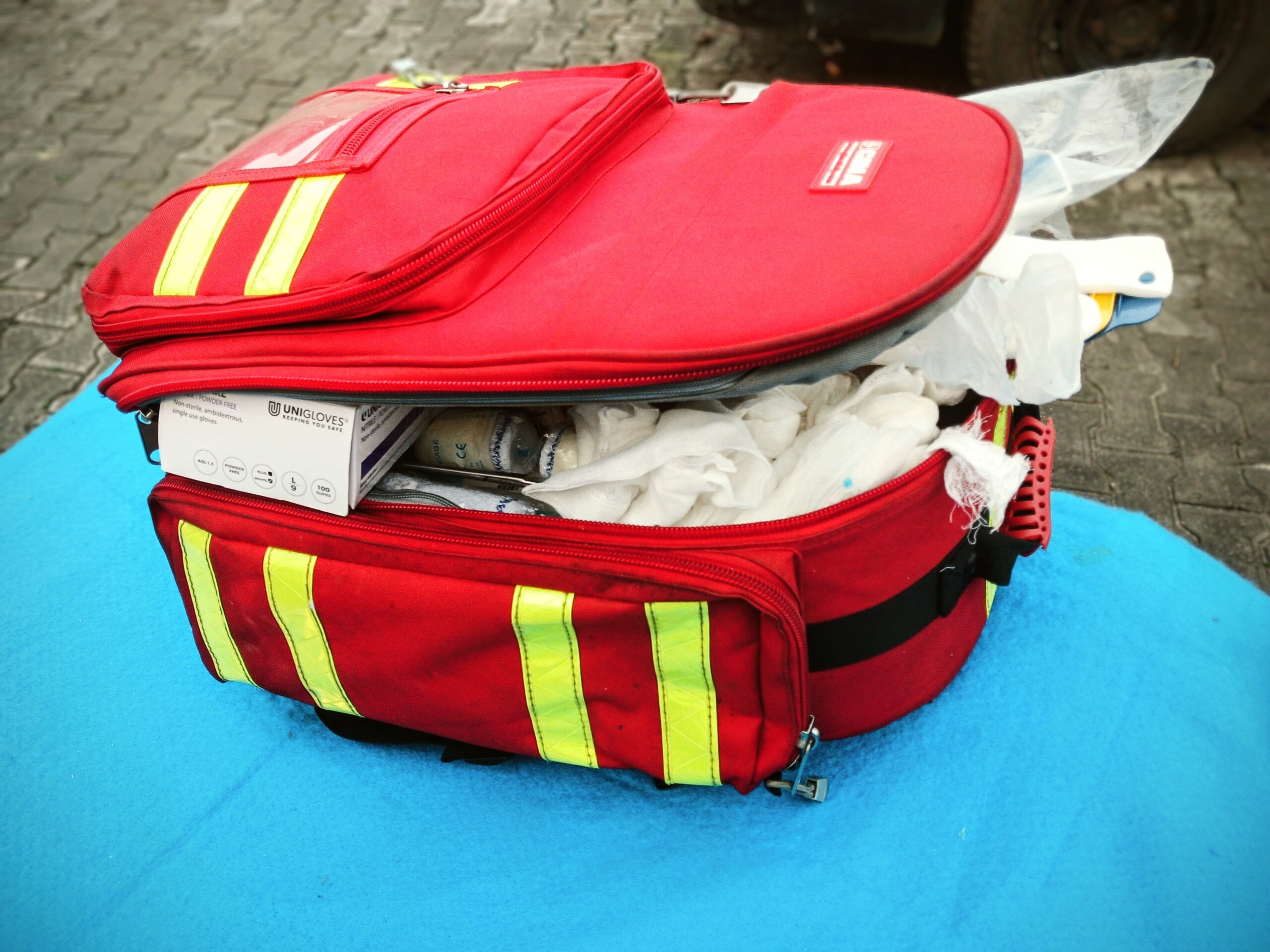
A basic kit should go beyond simple bandages. Focus on trauma-informed care: include sterile gauze, medical tape, antiseptic wipes, and heavy-duty gloves. For more advanced preparedness, consider adding a tourniquet and learning how to use it through the American Red Cross first aid training resources. Protecting these supplies from moisture is essential, so don’t forget to review our tips on Emergency Go Bag Weatherproofing to keep your medical gear functional.
Establish a Maintenance Schedule
Medical supplies don’t last forever. Set a recurring reminder on your calendar to audit your emergency first aid kits. Check the expiration dates on ointments, medications, and sterile packaging. Replace anything that has passed its date and replenish items that were used during minor home emergencies throughout the year. For more general advice on keeping your overall kit inventory in check, refer to the Emergency Go Bag Checklist.
Frequently Asked Questions
What are the absolute must-have items for a basic kit?
At a minimum, your kit should include adhesive bandages, sterile gauze pads, medical tape, antiseptic wipes, antibiotic ointment, disposable gloves, and a pair of trauma shears. Do not forget to include a digital thermometer and a basic first aid manual.
How should I store my prescription medications?
Keep medications in their original containers with clear labels. If you are worried about temperature sensitivity, consider a small insulated pouch that can fit inside your go bag. Always keep a current list of dosages and prescribing doctors with your medication supply.
Is it better to buy a pre-made kit or build my own?
Pre-made kits are a great starting point, but they often lack specific items your family needs. It is usually best to purchase a high-quality pre-made kit and then customize it by adding your specific medications and extra trauma supplies to ensure it meets your unique requirements.
Conclusion
Building effective emergency first aid kits is an investment in your family’s safety. By tailoring your supplies to your specific health needs and maintaining them through regular audits, you ensure that you are ready to handle medical challenges whenever they arise. Stay proactive, keep your supplies dry and organized, and remember that the best kit is the one you know how to use when it matters most.
