Introduction & Context
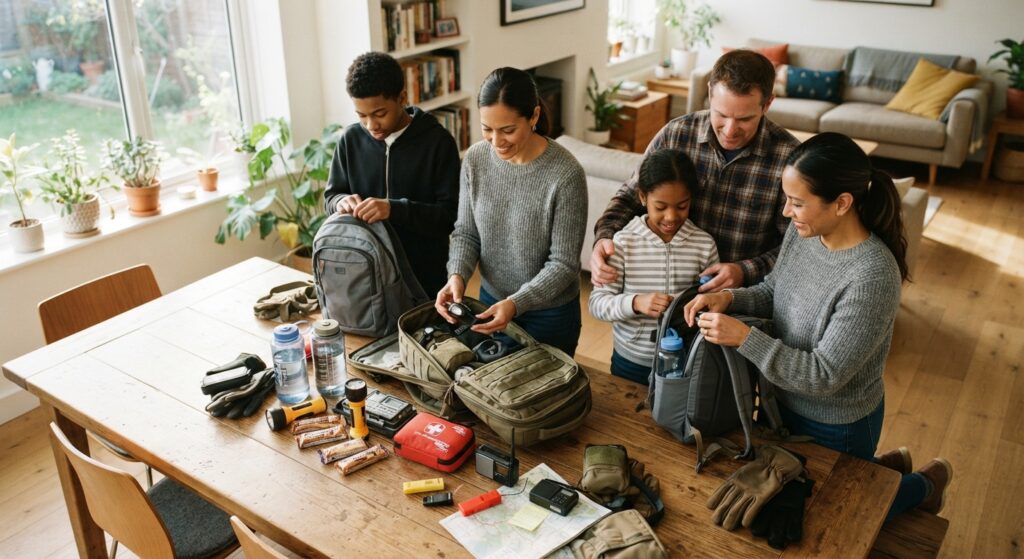
When we discuss emergency planning, the focus often drifts toward the individual—the lone survivor with a single, perfectly packed backpack. However, in reality, most of us belong to a larger unit: our families, households, or tight-knit communities. Relying on individual effort alone is a recipe for confusion when disaster strikes. Emergency go bag group preparedness is the art of synchronizing your survival strategies so that every member of your family is accounted for, equipped, and capable of acting in unison. Whether you are dealing with a localized flood or a large-scale power outage, the ability to operate as a team is what differentiates a chaotic scramble from a disciplined evacuation. This guide explores the logistical, psychological, and practical layers of managing group readiness, ensuring that when the alert sounds, your collective response is swift and effective.
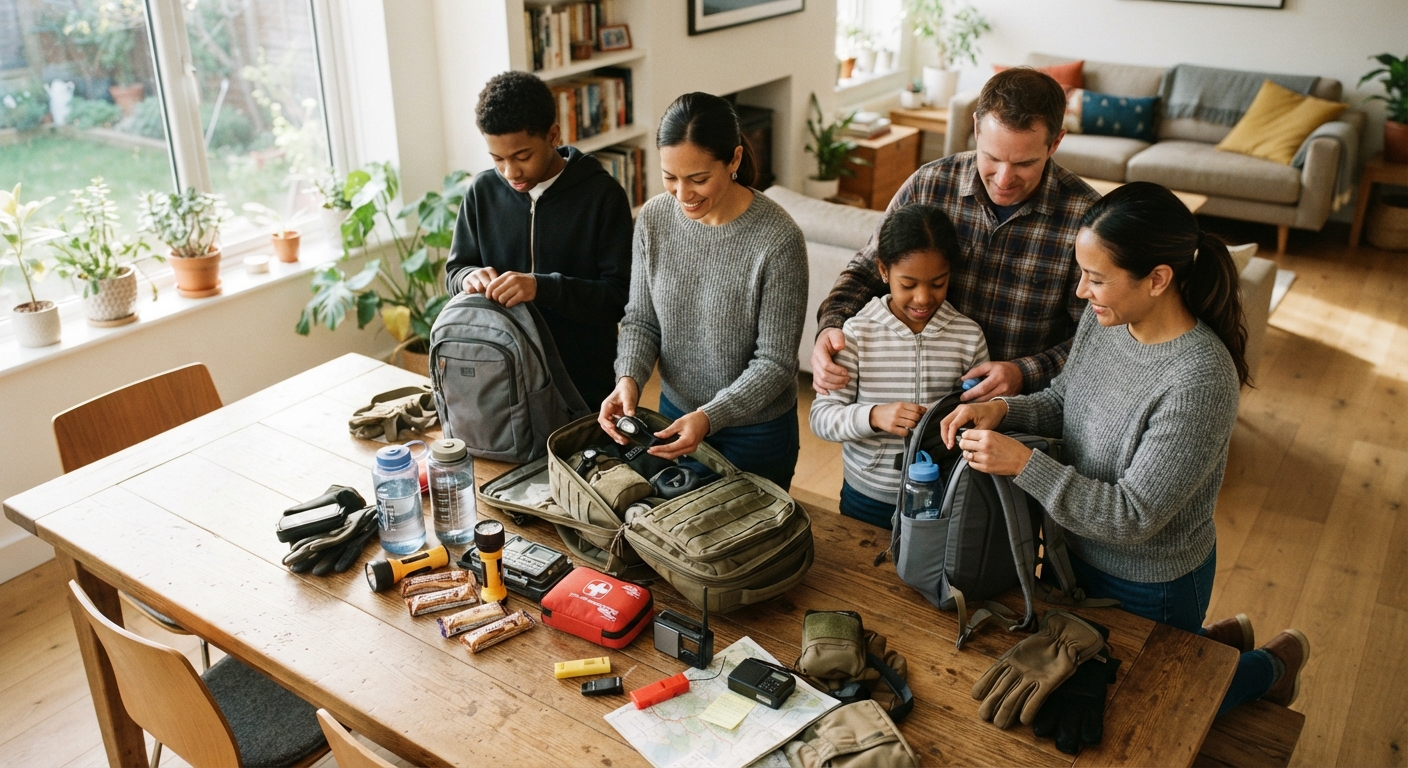
Preparing for a group requires shifting your mindset from ‘my bag’ to ‘our plan.’ It involves understanding the specific needs of children, elderly family members, and even pets, ensuring that the weight of supplies is distributed logically. By integrating your efforts with broader strategies like our Emergency Evacuation Routes: Planning Your Escape Strategy, you create a cohesive safety net that protects those you love most. This article will walk you through the essential components of building a collaborative survival system that minimizes stress and maximizes safety for everyone involved.
Key Takeaways & Core Concepts
- Distributed Load Management: In a group setting, not everyone needs to carry the same items. Assign gear based on physical capability, ensuring the strongest members carry the bulk of the weight while younger or more vulnerable family members carry lighter, essential items.
- Redundancy is Mandatory: Unlike an individual kit, group preparedness requires overlapping resources. If one member loses their bag, the group must still have access to critical items like Emergency Water Purification tools and backup communication devices.
- Defined Roles and Responsibilities: Assign clear tasks such as ‘Navigator,’ ‘First Aid Lead,’ and ‘Supply Manager.’ This prevents the ‘bystander effect’ where everyone waits for someone else to make a decision during a crisis.
- Unified Communication Protocols: Establish a predetermined meeting point and a secondary communication method, such as official FEMA-recommended family communication planning, to ensure that if the group is separated, you have a clear way to reconnect.
- Psychological Cohesion: Disasters are stressful. A group that practices together is a group that stays calm together. Regular drills help normalize the process for children and reduce anxiety for adults.
Actionable Step-by-Step Guide
Phase 1: The Group Audit
Begin by assessing the unique needs of every person in your group. Create a spreadsheet that lists each individual’s requirements, including prescription medications, dietary restrictions, and physical limitations. This ensures your group’s collective resources are tailored to the specific people you are protecting, rather than relying on a generic checklist.
Phase 2: Rational Gear Distribution
Avoid the mistake of having everyone carry an identical 40-pound bag. Use a ‘tiered’ system. The primary ‘Group Leader’ should carry the main medical kit and heavy power banks. Secondary carriers should handle water, clothing, and food. Ensure every child has a small, manageable ‘comfort bag’ with a flashlight, snacks, and a personal ID card. This empowers them while keeping their load light enough to move quickly.
Phase 3: Simulation and Drills
A plan is only as good as its execution. Once a quarter, conduct a ‘timed evacuation drill.’ Set a timer for 10 minutes and see if everyone can grab their bags, meet at the designated exit, and perform a headcount. This exercise will quickly highlight gaps in your organization—such as a misplaced key or a bag that is too heavy to lift—allowing you to correct them before an actual emergency occurs.
Phase 4: Common Pitfalls to Avoid
The most common failure in group preparedness is the ‘Silo Effect,’ where family members pack their own bags without consulting others, leading to duplicate items (like bringing four heavy first aid kits) while forgetting essentials like extra batteries or maps. Conduct a weekly ‘refresh’ session where bags are opened, inspected, and synchronized to ensure everyone has what they need without unnecessary weight.
Frequently Asked Questions
How do we handle gear for children in a group setting?
Focus on ’empowerment bags.’ Give children a durable, lightweight backpack containing items they can manage, such as a headlamp, a whistle, granola bars, and a family photo. This keeps them involved and provides them with comfort in a scary situation.
What if our family members are in different locations when disaster strikes?
This is why a communication plan is vital. Every member should know the location of the ‘go bags’ at home and have a pre-agreed rally point outside of your immediate neighborhood. Use non-cellular methods, such as handwritten contact cards, in case the grid goes down.
How often should we update our group supplies?
At a minimum, perform a deep audit every six months. Check expiration dates on food, test the charge on batteries, and ensure that clothing items in the bags still fit growing children. Regular maintenance prevents the ‘one-time project’ trap.
Is it necessary for everyone to have their own bag?
While children may not carry a full kit, every person should have a dedicated ‘personal’ bag. This ensures that if the group is forced to split up for any reason, every individual has at least basic survival tools to stay safe until they can reunite with the group.
Conclusion & Summary
Emergency go bag group preparedness is about more than just equipment; it is about building a culture of safety within your home. By distributing responsibilities, practicing your evacuation routes, and ensuring that every family member understands their role, you transform your household into a resilient unit capable of handling the unexpected. Remember that the goal is not perfection, but progress. Start by auditing your current supplies, assigning roles, and practicing your plan with a simple, low-pressure drill. With consistency, you will find that your family is not just ‘ready’—you are confident. Keep your bags organized, your communication lines open, and your resolve strong. For more in-depth strategies, explore our full library of resources on GoBagCheck to ensure no stone is left unturned in your pursuit of safety.