Introduction & Context
When a major emergency strikes, the loss of electrical power often plunges entire neighborhoods into absolute darkness. While many people immediately reach for the brightest flashlight they can find, seasoned survivalists understand that light is a double-edged sword. Emergency Go Bag Light Discipline is the practice of managing your illumination sources to ensure you can see your immediate surroundings without compromising your security or attracting unwanted attention. Whether you are navigating a disaster zone or waiting out a grid-down scenario, the ability to control your light signature is a vital survival skill. This guide is designed for individuals and families who prioritize safety and tactical awareness. By mastering the art of light discipline, you ensure that you remain capable of performing essential tasks—like reading a map or administering first aid—without becoming a beacon in the night. Understanding these principles is a critical step in your broader preparedness journey, working in tandem with your emergency light sources to keep you safe when the grid goes dark.
Key Takeaways & Core Concepts
Light discipline is more than just turning off a switch; it is a mindset of situational awareness. To effectively manage your light signature, you must understand the following core concepts:
- The Inverse Square Law: Light intensity drops off rapidly over distance. Using a lower-lumen setting close to your workspace is often more effective than blasting a high-intensity beam that causes glare and ruins your night vision.
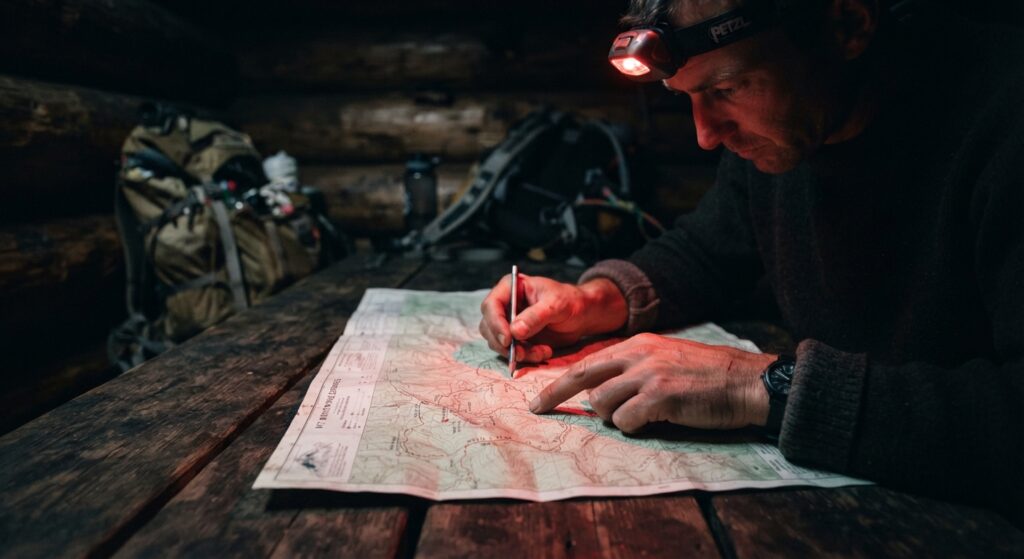
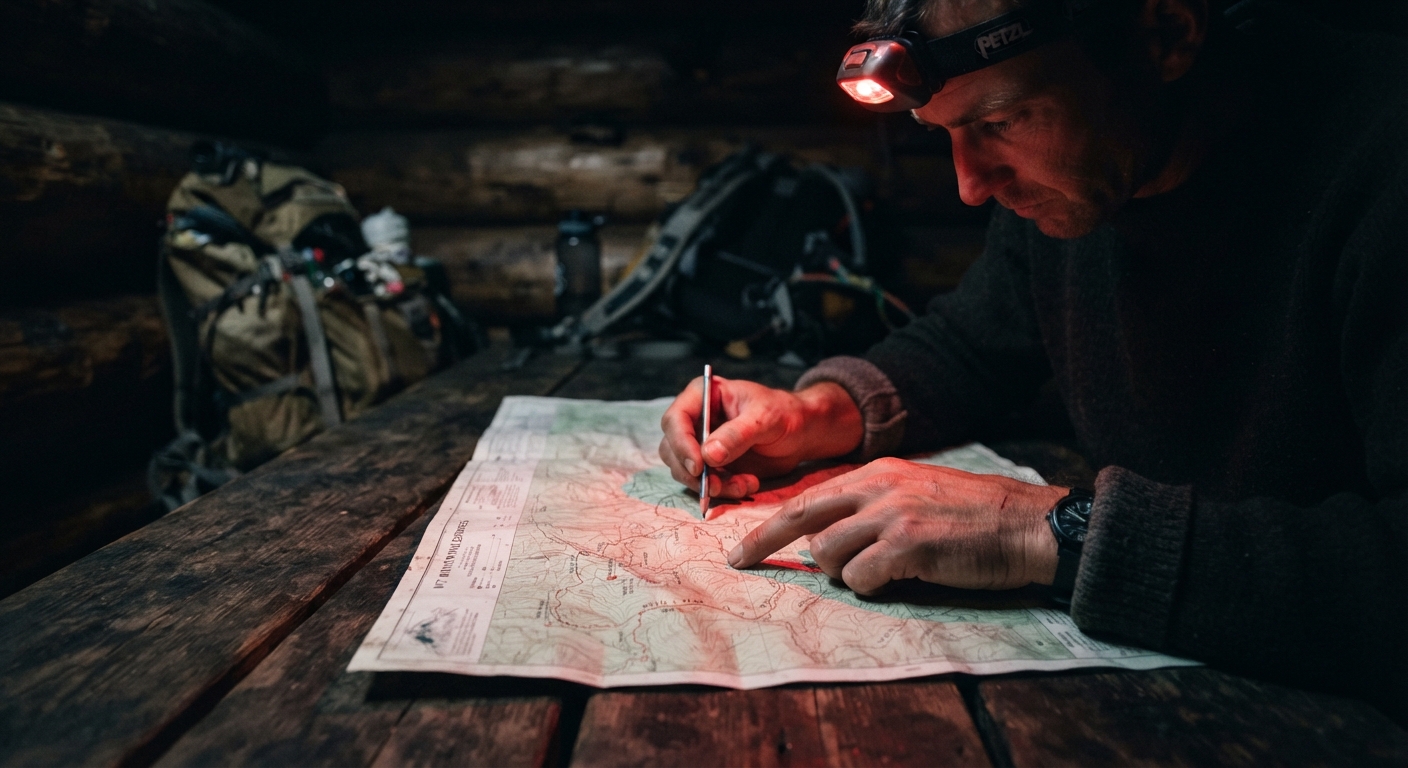
- Red and Green Light Spectrum: White light destroys your natural night vision, taking up to 30 minutes for your eyes to fully recover. Red light is the industry standard for maintaining night vision, while green light provides better contrast for reading maps, as noted by Wikipedia’s overview of night vision.
- The “No-Light” Rule: Whenever possible, operate in the dark. Use your other senses to navigate familiar terrain and only activate light when absolutely necessary for safety or technical tasks.
- Light Bleed Prevention: Always be mindful of light escaping from under doors, through windows, or via gaps in your gear. If you are inside a structure, use blankets or heavy curtains to mask your light signature from the outside.
- Diffuse Illumination: Instead of a direct, focused beam, use a diffuser or point your light at a white surface to reflect soft, ambient light into the room. This reduces harsh shadows and prevents your position from being easily pinpointed.
Actionable Step-by-Step Guide
Phase 1: Selecting the Right Gear
Start by auditing your current equipment. Ensure your headlamp or flashlight features multi-mode settings, specifically low-lumen output and color filters. Avoid relying solely on smartphone flashlights, as they are not designed for long-term power efficiency and offer poor control over beam intensity. Integrate these tools into your emergency go bag organization plan so they are accessible without needing to dump your entire pack.
Phase 2: Implementing Light Discipline Techniques
When you need to use light, follow the “Low, Red, Short” rule. Use the lowest possible brightness setting that allows you to complete the task. If you are checking a map or a medical kit, use a red filter to protect your night vision. Keep the duration of your light usage as short as possible. If you must work in a tent or building, create a small “light box” using a jacket or towel to contain the glow to your immediate hands-on area.
Phase 3: Common Pitfalls to Avoid
One of the most common mistakes is the “always-on” habit. People often keep a headlamp on while walking, which creates a narrow tunnel of vision and makes it impossible to see peripheral threats. Additionally, failing to check your batteries regularly can lead to a sudden, total loss of light. Establish a routine for emergency go bag maintenance to ensure your batteries are fresh and your light sources are functional.
Frequently Asked Questions
Why is red light better than white light for emergencies?
Red light has a longer wavelength, which is less likely to trigger the chemical reaction in your retina that causes your pupils to constrict. This allows you to maintain your natural night vision, making it easier to see in the dark once you turn the light off.
How do I practice light discipline in a group setting?
Coordination is key. Establish hand signals or low-volume voice cues so you don’t need to use lights to communicate. If a group member needs to perform a task, have others block the light output with their bodies to shield the area from outside view.
Is it better to use a headlamp or a handheld flashlight?
Both have roles. A headlamp is superior for hands-free tasks, but it points exactly where you look, which can accidentally reveal your position. A handheld light allows you to point the beam away from your body, which is a safer technique for searching an area.
What should I do if I am caught in a blackout?
Stay put if you are in a safe location. If you must move, use the “crawling” method or keep one hand on a wall to guide yourself. Only use your light in short, controlled bursts to verify your path, then immediately deactivate it.
Conclusion & Summary
Mastering Emergency Go Bag Light Discipline is a vital component of your survival strategy. By controlling your light signature, you maintain the tactical advantage of concealment, protect your night vision, and conserve your power supplies. Remember that light is a tool to be used sparingly and with intent. By following the steps outlined above—selecting the right gear, utilizing red-light filters, and practicing light-masking techniques—you will be significantly better prepared to navigate the challenges of a disaster. For more tips on staying ready, visit our full guide on emergency go bag maintenance and continue building your family’s safety foundation.