Introduction & Context
When we think of disaster preparedness, our minds often drift to rural survival or wilderness scenarios. However, for the majority of the population, the reality of a crisis involves navigating the complex, high-density landscape of a major city. Urban Survival requires a unique set of skills and preparation strategies that differ significantly from wilderness trekking. Whether it is a massive grid failure, a localized civil disturbance, or a structural emergency that forces a rapid evacuation, the urban environment presents specific hazards such as gridlock, limited visibility, and the necessity of navigating through crowds.
Understanding how to utilize your Emergency Go Bag in an urban setting is critical for your safety. In a city, your survival depends on your ability to move quickly, stay informed, and maintain low-profile mobility. This guide explores the nuances of urban readiness, helping you transition from a standard preparedness mindset to one specifically tailored for the concrete jungle. By mastering these strategies, you ensure that your family remains safe even when the infrastructure of modern city life collapses.
Key Takeaways & Core Concepts
- Situational Awareness: In high-density areas, your primary defense is your ability to observe and anticipate threats before they escalate. This includes monitoring exits and understanding crowd dynamics.
- Mobility and Speed: Urban survival is about ‘getting out’ or ‘getting home.’ Your gear must be lightweight enough to allow for rapid movement on foot, as roads are likely to be blocked.
- Low-Profile Aesthetics: Avoid gear that screams ‘survivalist’ or ‘military.’ An organized and discreet bag helps you blend into a crowd, reducing the risk of becoming a target.
- Redundant Communication: In cities, cell towers are the first to fail. Relying on pre-planned meeting points is more reliable than digital coordination.
- Environmental Hazards: Be aware of glass, debris, and structural instability. Sturdy footwear and basic personal protective equipment (PPE) are non-negotiable items in your kit.
For more technical details on city-based survival, the Department of Homeland Security’s Ready.gov provides an authoritative baseline for general emergency planning.
Actionable Step-by-Step Guide
Step 1: Assessing Your Urban Routes
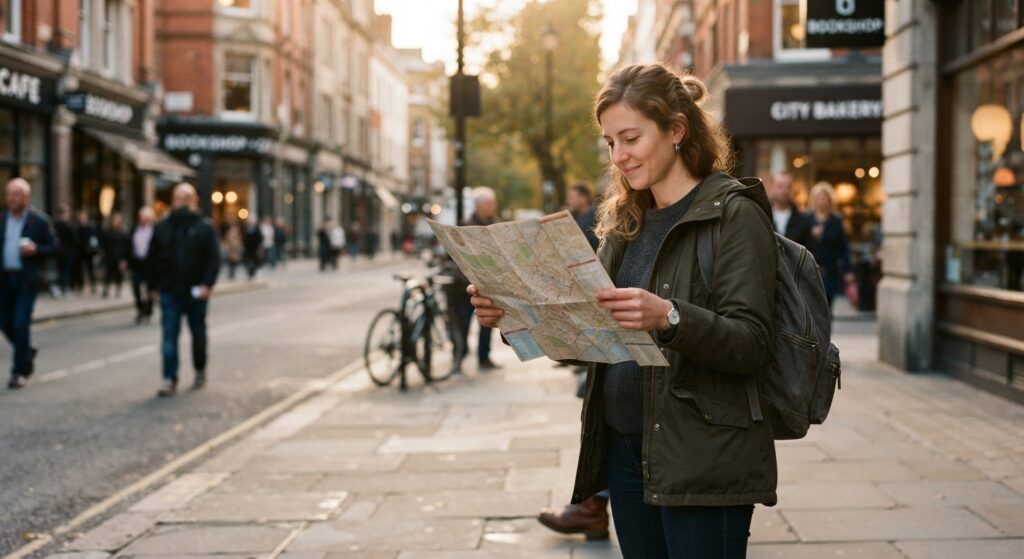
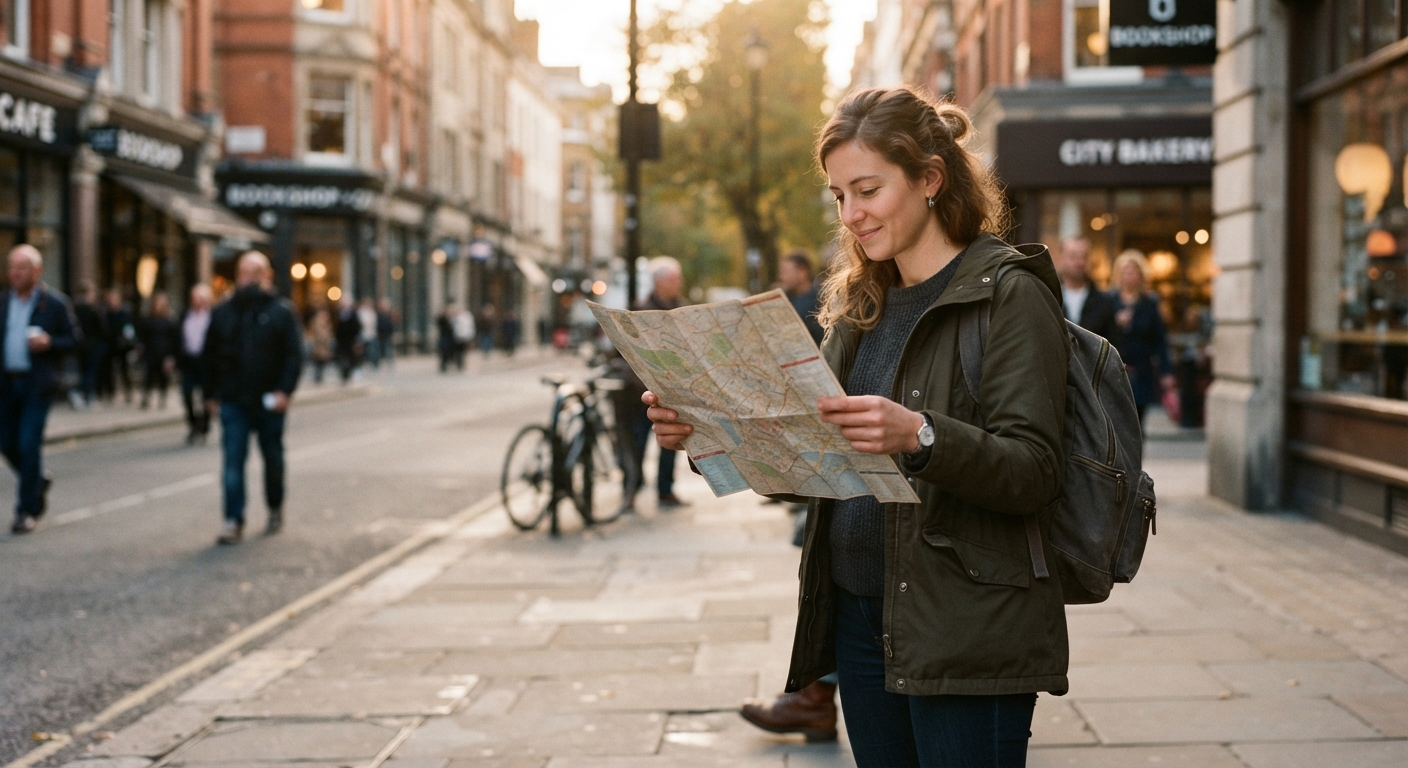
Start by mapping out at least three distinct paths from your home, office, and school to a safe zone. In a city, rely on secondary streets rather than main thoroughfares, which are prone to gridlock. Use physical maps, as relying on GPS during a regional outage is a common pitfall. Mastering these skills is essential; review our guide on navigation to ensure you don’t get lost in the urban maze.
Step 2: Selecting Discreet Gear
Your go bag should look like a standard commuter backpack. Avoid camouflage or tactical webbing. Inside, prioritize items that help you navigate hazards: a high-quality N95 mask for dust and debris, a pair of thick leather gloves for clearing obstacles, and a pair of sturdy, broken-in walking shoes. According to the Centers for Disease Control and Prevention, having basic protective gear can significantly reduce injury rates during structural failures.
Step 3: Maintaining Low-Light Safety
Cities at night without power are dangerous. Use a low-lumen headlamp or a small keychain light to navigate without drawing unnecessary attention to yourself. Practicing proper light discipline is a hallmark of an experienced urban survivor.
Frequently Asked Questions
How do I navigate through large crowds during an emergency?
Stay to the edges of the crowd, move at a steady but purposeful pace, and keep your hands free. Avoid the center of the flow, where you are most likely to be crushed or caught in a bottleneck.
Is a heavy survival pack appropriate for the city?
No. In an urban environment, mobility is your greatest asset. Keep your bag under 15-20 pounds to ensure you can move quickly over long distances on foot.
What is the most critical item for urban survival?
Aside from water and basic first aid, a pair of sturdy, comfortable walking shoes is the most overlooked but vital component. You cannot evacuate if your feet fail you.
How do I handle security threats in a city crisis?
Maintain a low profile, avoid eye contact with potential agitators, and always keep your head on a swivel. If you feel unsafe, trust your instincts and change your route immediately.
Conclusion & Summary
Urban survival is an exercise in adaptability. By focusing on mobility, low-profile gear, and deep knowledge of your local environment, you can navigate even the most chaotic city emergencies. Remember that your go bag is not just a collection of supplies—it is a tool for maintaining your autonomy when systems fail. Review your kit regularly, practice your routes, and ensure your family understands the plan. Stay prepared, stay alert, and keep your loved ones safe by taking proactive steps today.