
Introduction & Context
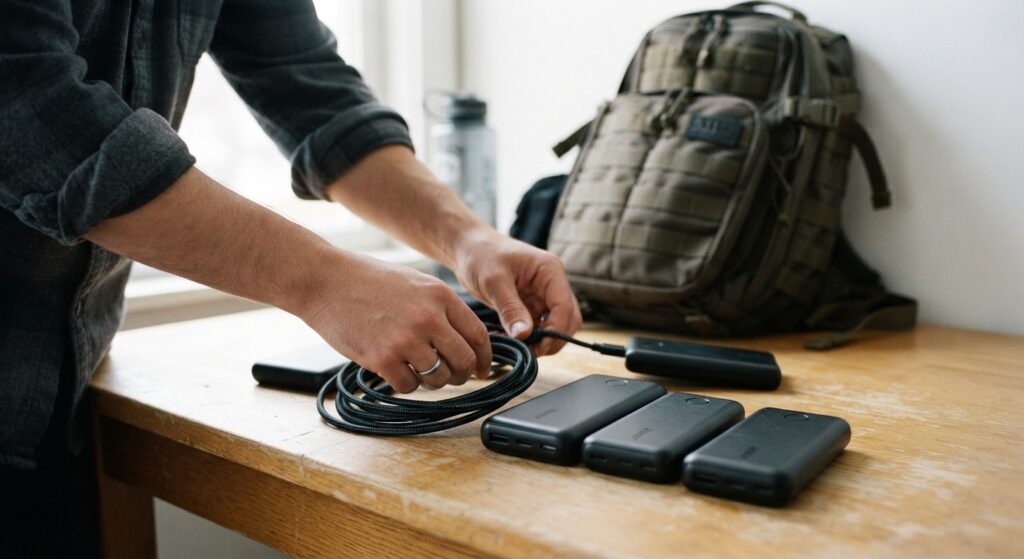
In the modern era, our ability to stay informed, coordinate with family, and navigate to safety relies heavily on digital technology. When a disaster strikes—be it a major storm, power grid failure, or local emergency—the immediate loss of electricity can sever your connection to the outside world. This is where emergency go bag power management becomes a critical survival skill. It is not enough to simply pack a smartphone or a flashlight; you must ensure that these tools remain functional for the duration of your evacuation or shelter-in-place period.
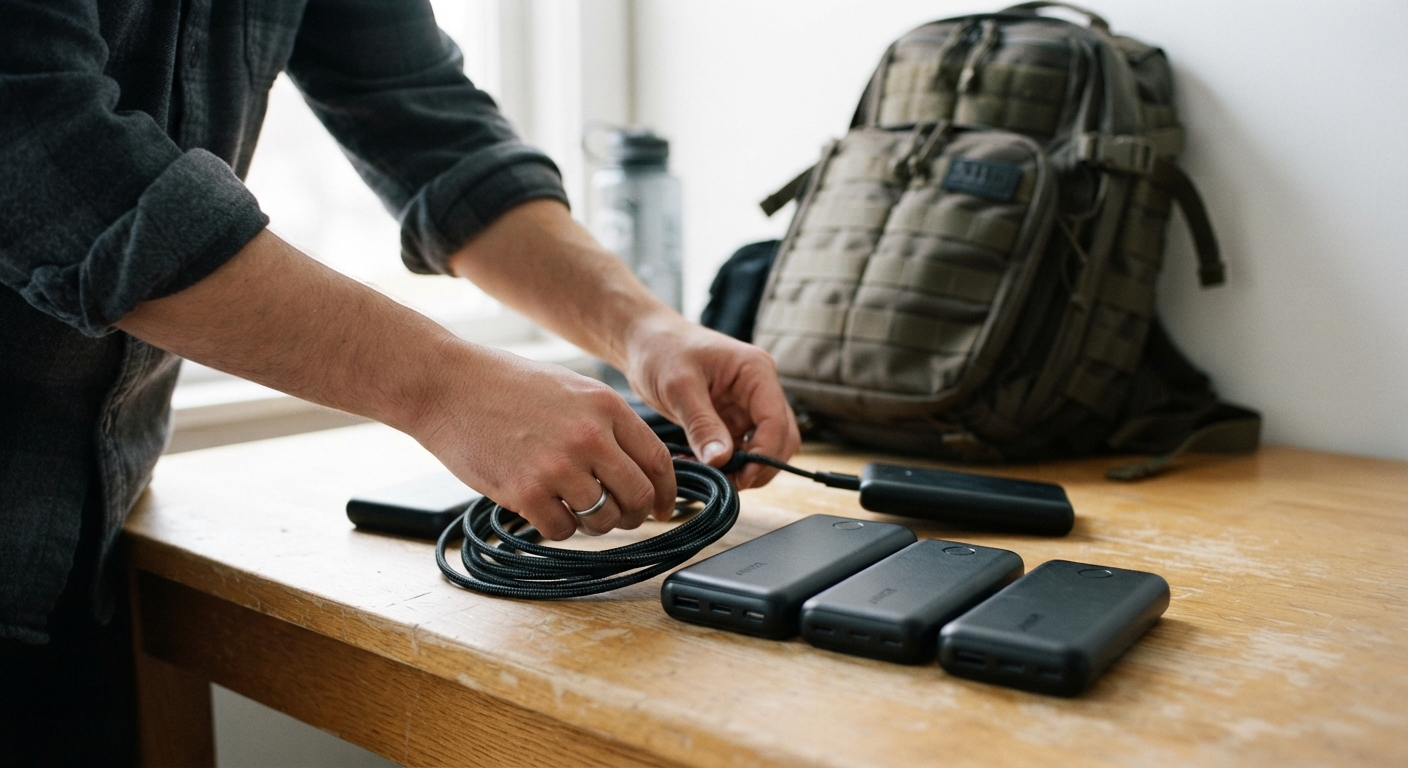
For many, the go bag is viewed solely as a repository for physical supplies like food and water. However, in a world where GPS navigation and digital communication are standard, power is the invisible fuel that keeps your safety strategy operational. Without a robust plan for energy, your most sophisticated gadgets become nothing more than dead weight. This guide explores the essential components of building a reliable energy ecosystem within your emergency kit, ensuring you are never left in the dark or disconnected when every second counts. By understanding the balance between capacity, weight, and reliability, you can build an energy system that supports your emergency go bag organization and keeps your family safe.
Key Takeaways & Core Concepts
Effective power management is built on the foundation of preparation and redundancy. To master your setup, you must understand the following core concepts:
- Energy Density vs. Weight: Every ounce counts in a go bag. Focus on high-capacity lithium-polymer power banks that offer the best ratio of power-to-weight.
- Redundancy is Mandatory: Never rely on a single power source. Your plan should incorporate a primary power bank, a secondary backup, and a renewable source like a portable solar panel.
- Battery Chemistry Matters: Understand the difference between alkaline batteries (for long-term storage) and rechargeable lithium-ion cells (for daily/frequent use).
- Cold Weather Performance: Extreme temperatures can significantly degrade battery performance. Always store your power sources in insulated compartments within your emergency go bag maintenance schedule.
- Standardization: Try to use devices that all charge via the same standard, such as USB-C, to reduce the number of cables you need to carry.
By prioritizing these concepts, you shift from a reactive “hope it works” mindset to a proactive, reliable energy strategy. Remember, the Federal Emergency Management Agency (FEMA) emphasizes the importance of communication, which is impossible without a powered device.
Actionable Step-by-Step Guide
Step 1: Audit Your Digital Load
Before buying gear, list every electronic device in your bag. This likely includes your smartphone, a headlamp, a portable radio, and perhaps a tablet for emergency documents. Calculate the total milliamp-hour (mAh) requirement for these devices for at least 72 hours of operation.
Step 2: Invest in High-Capacity Power Banks
Purchase at least two 20,000mAh power banks. These are the workhorses of your kit. Ensure they are “pass-through” capable, meaning they can charge your devices while they are being charged by a solar panel. Research reputable brands via resources like CNET’s tech reviews to ensure you aren’t buying counterfeit or low-quality cells.
Step 3: Implement Renewable Energy
A portable, foldable solar panel is an excellent insurance policy. Even if you only get a few hours of sun, it can provide enough trickle charge to keep your radio or phone alive for critical updates. Mount the panel on the exterior of your pack while hiking to collect energy on the move.
Step 4: Cable Organization and Protection
A tangled mess of cables is a liability in a crisis. Use a dedicated small pouch for your charging cables. Include at least two of every necessary cable type (e.g., USB-C to USB-C, USB-C to Lightning) to account for fraying or loss. Label your cables clearly to avoid confusion in high-stress situations.
Common Pitfalls to Avoid
Many people fail by neglecting to charge their power banks regularly. Treat your power banks like your non-perishable food; check them every three to six months. Another mistake is storing batteries in extreme heat (like inside a car during summer), which can lead to permanent capacity loss or safety hazards.
Frequently Asked Questions
How often should I charge my go bag power banks?
You should check your power banks every three months. Even high-quality lithium batteries lose a small percentage of their charge over time. A quarterly routine ensures they are always topped off and ready for immediate deployment.
Can I use standard alkaline batteries instead?
Yes, for devices like headlamps or radios, alkaline or lithium primary batteries are excellent because they have a 10-year shelf life. However, for smartphones, rechargeable power banks are the only practical solution.
What is the best way to protect electronics from moisture?
Always use waterproof dry bags or silica gel desiccant packs inside your electronics pouch. Moisture is the silent killer of sensitive circuitry, and keeping your gear dry is just as important as keeping it charged.
Are solar panels worth the weight?
If you are planning for a long-term evacuation, yes. A lightweight 10-20 watt panel can be the difference between a dead phone and a functioning one after 48 hours of power grid failure.
Conclusion & Summary
Emergency go bag power management is the cornerstone of modern disaster readiness. By audit-planning your device needs, investing in high-quality power banks, and maintaining a consistent charging schedule, you ensure that your digital lifeline remains active when you need it most. Remember, technology is a tool, but it requires a reliable energy source to be effective. Start organizing your power gear today, and you will be significantly better prepared for the unexpected.
