Introduction & Context
When we discuss emergency preparedness, the conversation typically revolves around physical survival: water, food, first aid, and shelter. However, there is a critical, often overlooked dimension to disaster survival: Sensory Preparedness. In the aftermath of a catastrophe—whether a natural disaster, a grid failure, or an urban evacuation—the environment changes drastically. The sudden influx of loud noises, blinding lights, unfamiliar odors, and extreme temperatures can induce sensory overload, leading to panic, poor decision-making, and physical exhaustion. By proactively incorporating sensory-mitigating tools and psychological techniques into your emergency strategy, you can maintain the clarity required to keep yourself and your loved ones safe.
Sensory preparedness is not just for individuals with neurodivergent needs; it is a vital skill for anyone operating under high-stress conditions. When the brain is bombarded with excessive stimulation, the prefrontal cortex—the part responsible for logical reasoning—can struggle to function. This guide explores how to optimize your Emergency Go Bag Psychological Resilience by addressing the sensory environment. Whether you are navigating a crowded evacuation center or sheltering in place during a storm, these strategies will help you maintain your composure and focus on survival.
Key Takeaways & Core Concepts
To master sensory preparedness, you must understand how your body reacts to environmental stressors. Here are the core concepts to integrate into your planning:
- Auditory Control: In a crisis, the world becomes loud. Sirens, shouting, and structural debris create a chaotic soundscape. High-fidelity earplugs or noise-canceling earmuffs are essential for preventing auditory fatigue and maintaining focus.
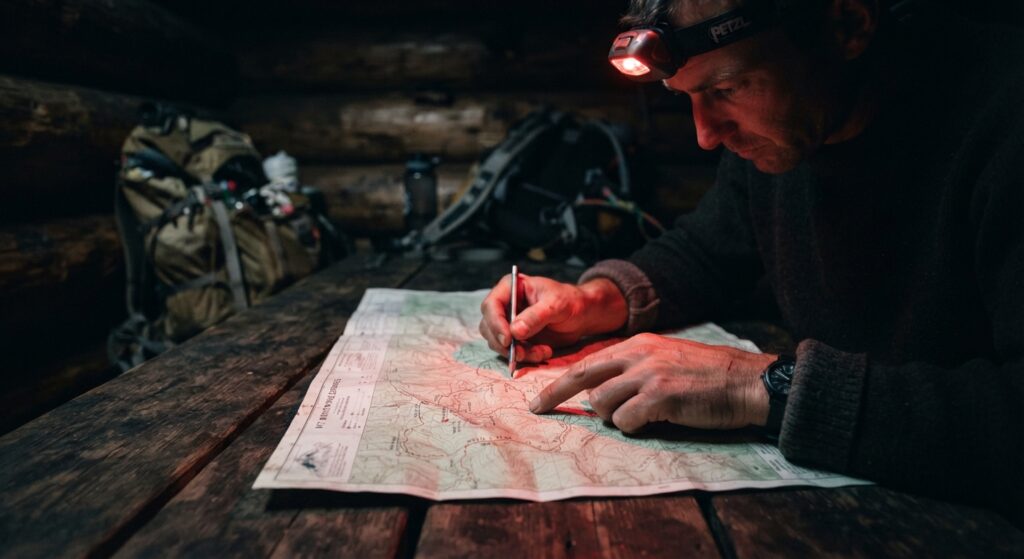
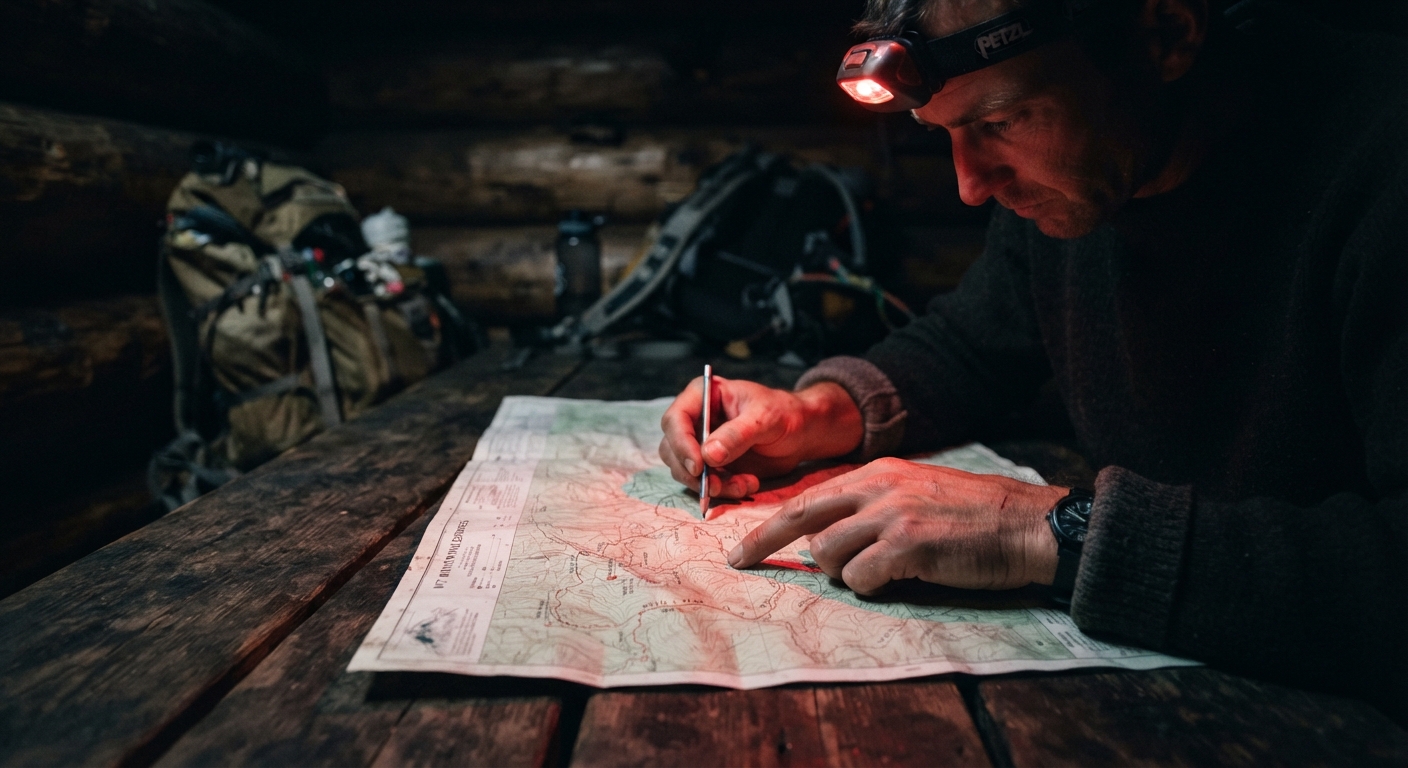
- Visual Regulation: Sudden changes in light, such as flickering emergency lights or total darkness, can cause disorientation. Mastering techniques like those found in Emergency Go Bag Light Discipline is a critical component of managing your visual environment.
- Olfactory Management: Unpleasant odors are often inevitable during disasters. A simple face mask or a small vial of essential oil can act as an anchor, helping you maintain a sense of calm and hygiene.
- Tactile Comfort: Stress often manifests as physical tension. Incorporating sensory “fidget” items or soft, familiar textures can help ground you when the situation feels overwhelming.
- The Window of Tolerance: This is a psychological term describing the range of arousal where we function best. Sensory tools help keep you within this window, preventing you from swinging into fight, flight, or freeze responses. You can find more information on this concept through resources like the American Psychological Association.
Actionable Step-by-Step Guide
Step 1: Audit Your Sensory Triggers
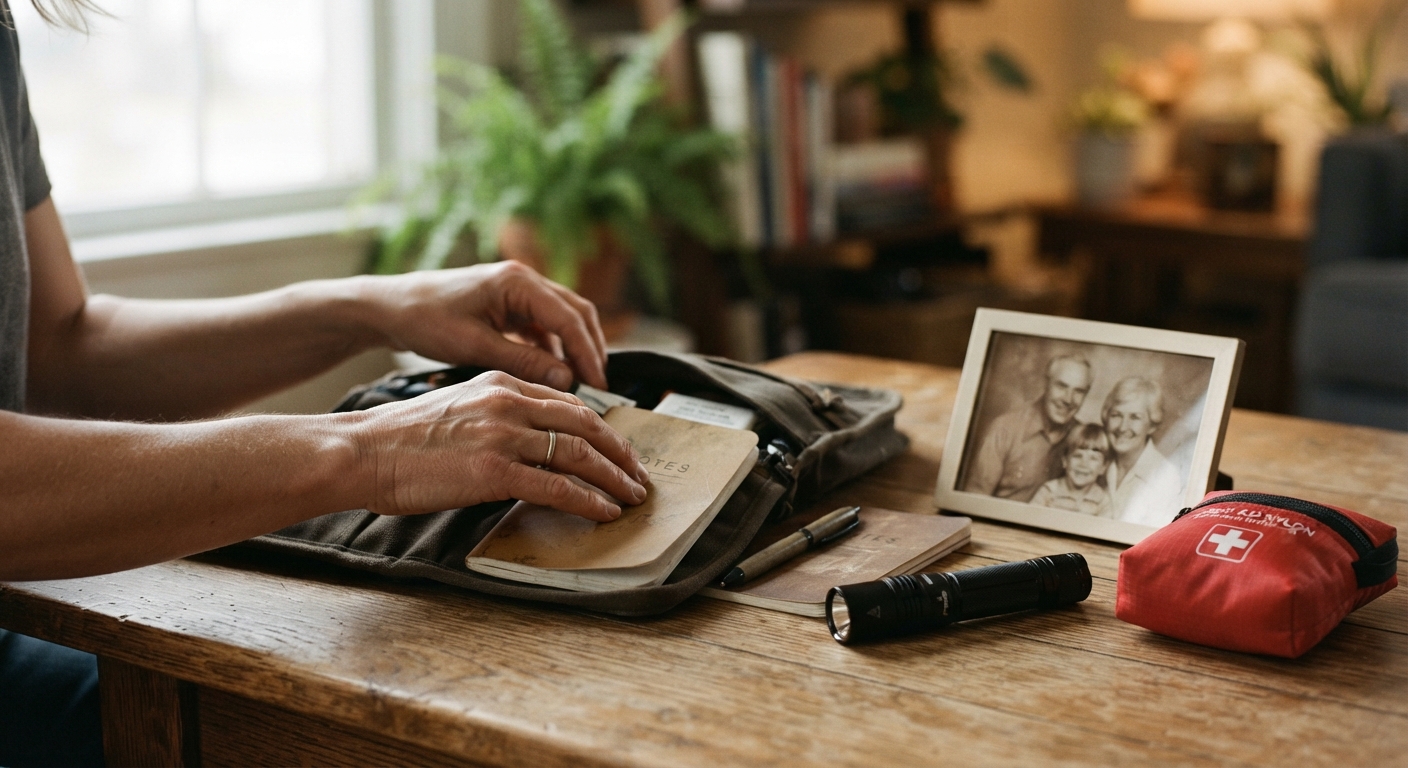
Before packing your gear, identify what triggers your stress response. Do you react poorly to loud noises? Do you struggle with bright, strobe-like light? Write these down. Understanding your personal vulnerabilities is the first step toward building a truly effective emergency kit.
Step 2: Pack Modular Sensory Tools
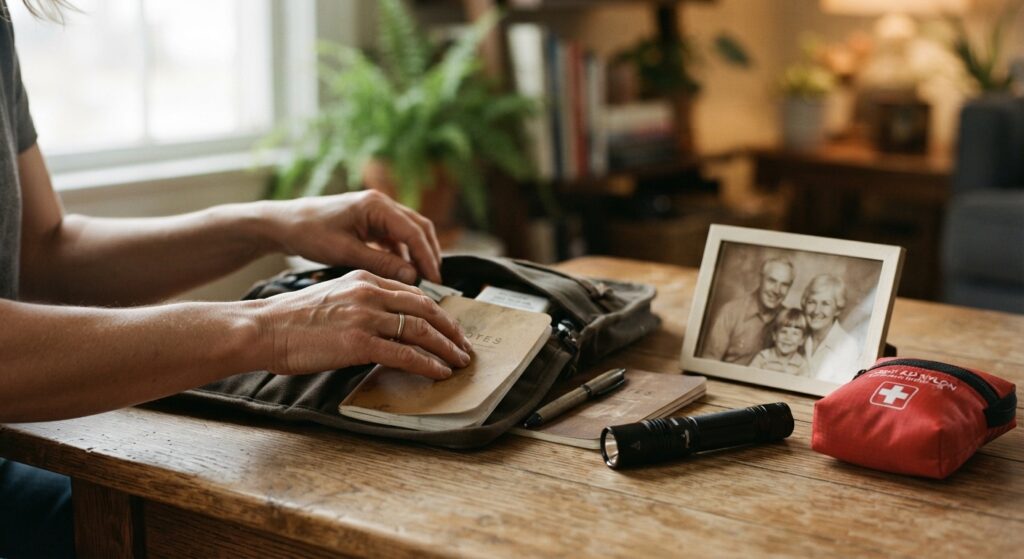
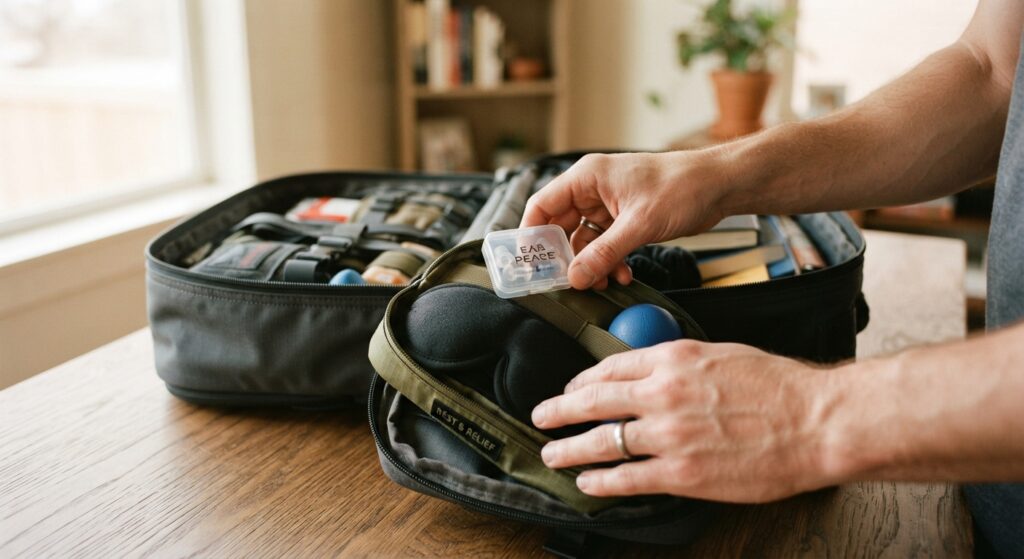
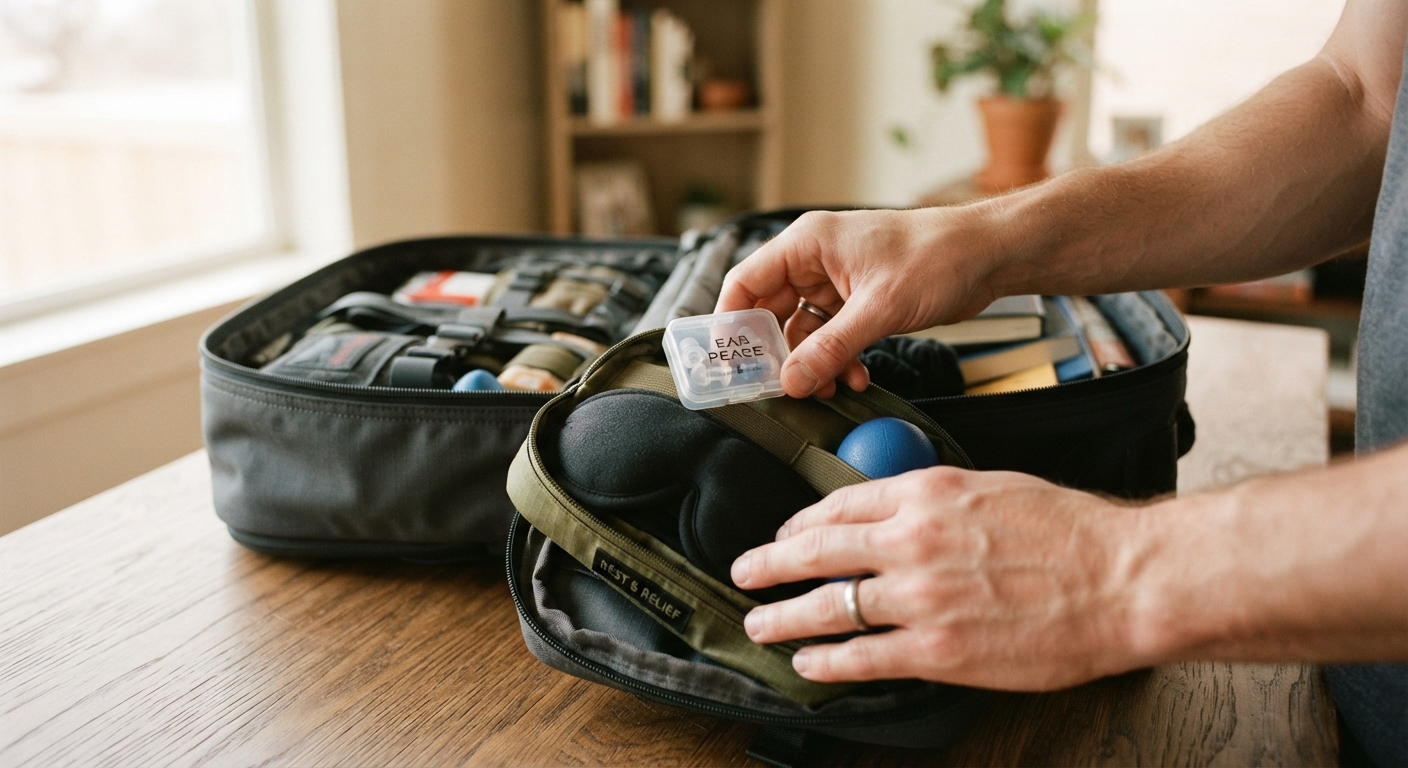
Your go bag should include a dedicated pouch for sensory regulation. Include items such as:
- High-quality earplugs: Look for those designed to lower decibels without blocking speech completely.
- Sleep mask: A comfortable, light-blocking mask is vital for resting in bright, public shelters.
- Comfort items: A small, non-perishable comfort object or a tactile “stress ball” can provide a grounding effect during long waits.
- Hygiene essentials: Hand sanitizer and a clean cloth help manage physical discomfort, which is a major sensory irritant.
Step 3: Practice Grounding Techniques
Gear is only half the battle; the other half is training. Practice the 5-4-3-2-1 grounding technique: identify 5 things you can see, 4 things you can touch, 3 things you can hear, 2 things you can smell, and 1 thing you can taste. This technique forces your brain to shift focus from the overwhelming environment to the immediate physical reality, which is a core skill for maintaining mental health during a crisis.
Step 4: Maintenance and Review
Just as you would check your batteries, periodically review your sensory tools. Ensure that masks are clean, earplugs are not degraded, and any scent-based items have not leaked. Consistent maintenance ensures that when the time comes, your tools are ready for immediate use.
Frequently Asked Questions
Why is sensory preparedness important for everyone?
While often associated with autism or sensory processing disorders, sensory preparedness is a universal survival skill. High-stress events naturally trigger the sympathetic nervous system, making everyone more susceptible to being overwhelmed by their environment. Preparing for this helps you stay logical.
Can I pack too many sensory items?
Yes. Your go bag must prioritize survival essentials like water and food. Sensory items should be compact, lightweight, and multi-purpose where possible. Focus on quality over quantity.
How do I manage sensory overload in a family setting?
If you are coordinating a group, recognize that children and adults may have different triggers. Encourage everyone to have a small, individual ‘comfort kit’ that they can access when they feel overwhelmed, which helps maintain overall group cohesion.
Are there digital tools for sensory management?
While digital tools can be helpful (such as pre-loaded calming music or white noise apps), always remember that technology can fail. Your primary sensory management strategy should be analog and physical.
Conclusion & Summary
Sensory preparedness is the silent partner to physical survival. By acknowledging that your environment will be chaotic and potentially overwhelming, you take the first step toward mastering your reaction to it. Whether you are using noise-canceling gear to focus on your map, or using a sleep mask to recover in a bustling shelter, these small additions to your go bag make a massive difference. Remember, the goal of your go bag is not just to keep you alive, but to keep you capable. Stay calm, stay prepared, and ensure your kit is ready for the realities of any crisis.