Introduction & Context
When preparing for a disaster, most people prioritize food, water, and shelter. However, one of the most critical aspects of long-term health and safety that is frequently ignored is Emergency Go Bag Waste Management. In a grid-down scenario or a major natural disaster, municipal sanitation services—including sewage and trash collection—can be interrupted for days or even weeks. Without a plan, the accumulation of waste and human excreta becomes a primary vector for disease, attracting pests and contaminating local water sources. Understanding how to manage waste effectively is not just about comfort; it is a fundamental pillar of public health and survival. Whether you are sheltering in place or forced to relocate, maintaining a sanitary environment prevents the spread of illness such as cholera, dysentery, and other pathogens that thrive in unhygienic conditions. This guide provides the essential knowledge to keep your family safe by integrating proper waste disposal protocols into your emergency go bag strategy.
Key Takeaways & Core Concepts
Effective sanitation in a crisis relies on containment, neutralization, and proper disposal. Understanding the risks associated with poor hygiene is the first step toward building a resilient plan.
- Disease Vector Control: Accumulated waste draws flies, rodents, and other disease-carrying pests. Proper containment is the only way to break this cycle.
- Water Source Protection: Human and household waste must be kept far away from any potential drinking water sources to prevent contamination, as highlighted by guidelines from the Centers for Disease Control and Prevention regarding sanitation in emergencies.
- The Three-Bucket System: A simple, effective method for managing liquid and solid waste in a confined space until it can be buried or disposed of safely.
- Hygiene Protocols: Handwashing remains the gold standard for health. Even without running water, using hand sanitizer or alcohol-based wipes is mandatory after any waste handling task.
- Biohazard Awareness: Always treat all household and human waste as potentially infectious. Use gloves and designated tools to minimize direct contact.
By mastering these concepts, you shift your mindset from merely surviving to maintaining a standard of living that protects your family’s health during the most vulnerable moments of a crisis.
Actionable Step-by-Step Guide
1. Assembling Your Sanitation Kit
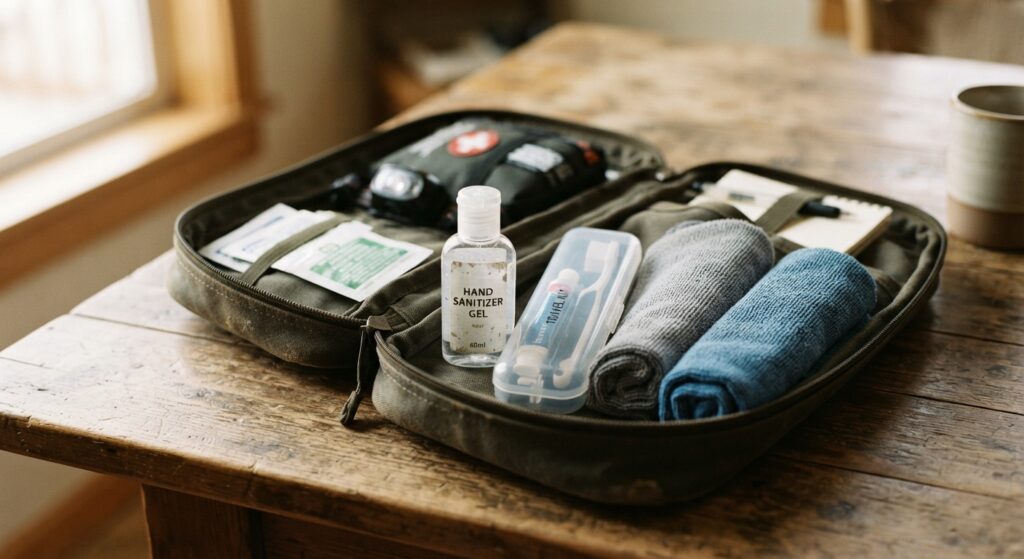
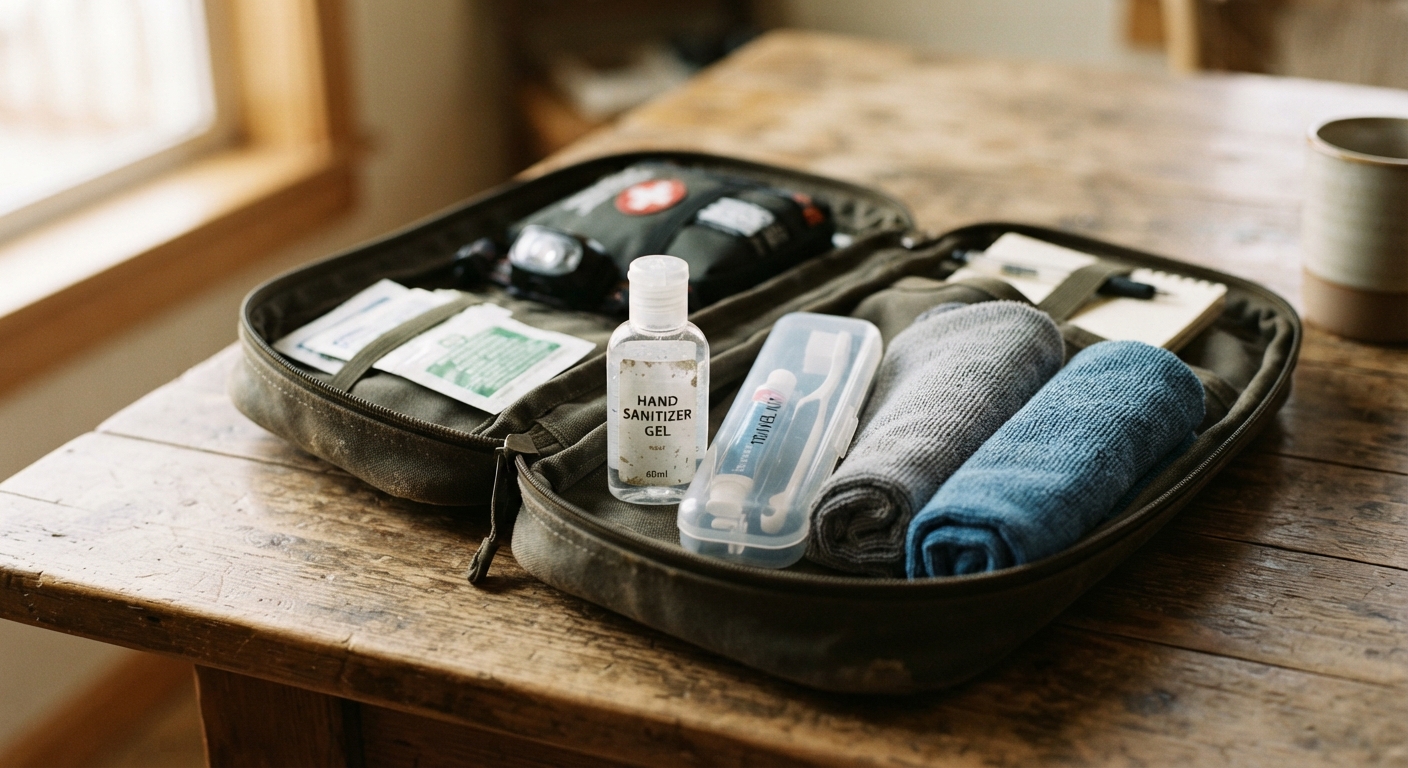
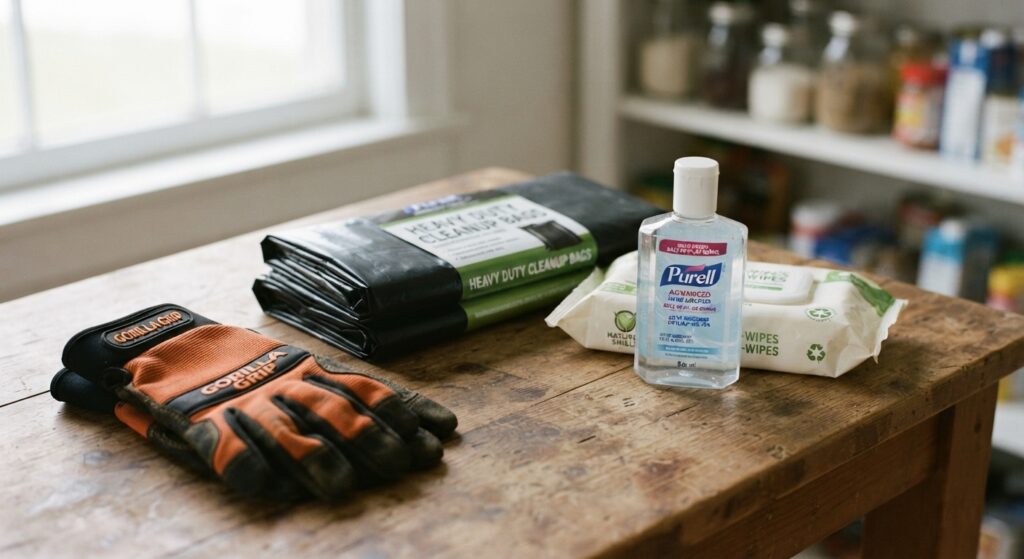
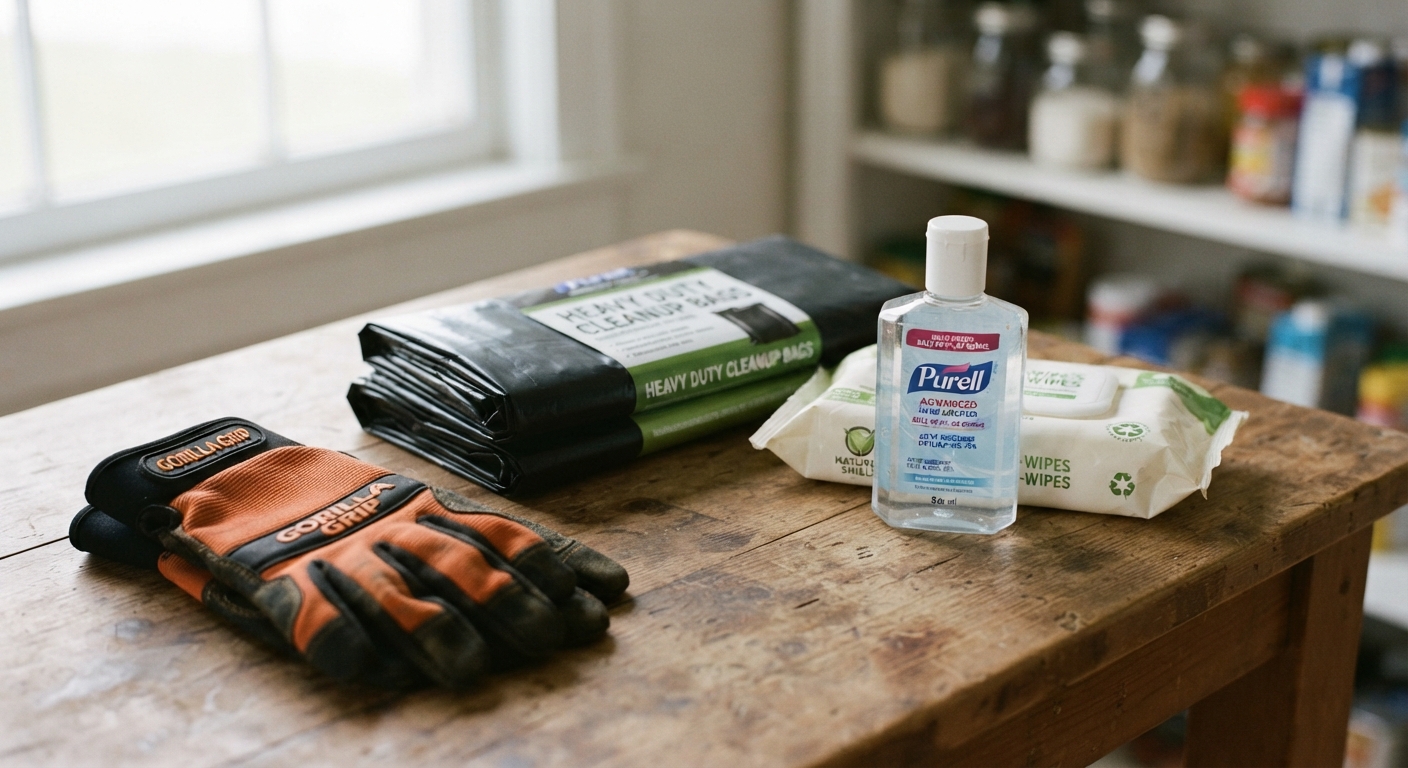
Your go bag should include a compact sanitation kit. This includes heavy-duty contractor bags, a supply of biodegradable kitty litter or sawdust to manage odors and moisture, and a portable folding toilet seat that fits over a standard five-gallon bucket. For personal hygiene, stock up on biodegradable wet wipes and high-concentration hand sanitizer.
2. Implementing the Waste Disposal Strategy
If you are in a shelter-in-place scenario, designate a specific ‘latrine’ area away from your living quarters. If you are mobile, follow the ‘Leave No Trace’ principles established by the Leave No Trace Center for Outdoor Ethics. Dig a ‘cat hole’ at least 200 feet away from water sources, trails, and campsites. If you cannot dig, you must pack your waste out in sealed, leak-proof containers.
3. Managing Household Trash
During an emergency, trash collection will stop. To prevent odors and pest infestation, rinse all food containers before disposing of them. Double-bag your trash and keep it in a secure, elevated container if possible. If you have the space, consider composting organic waste, but keep it far from your primary shelter to avoid attracting wildlife.
4. Common Pitfalls to Avoid
The biggest mistake is waiting until the situation becomes dire to address waste. Do not throw toilet paper or waste into storm drains or near your home’s foundation, as this can lead to basement flooding and severe contamination. Always prioritize the health of your group by keeping sanitation tasks separate from food preparation areas. For more details on maintaining your gear, refer to our guide on Emergency Go Bag Maintenance.
Frequently Asked Questions
How do I manage waste if I have limited space in my go bag?
Focus on consumables and lightweight items. Instead of carrying a full bucket, carry the heavy-duty bags, a pack of toilet chemical packets to neutralize odor, and a folding seat. The bucket can often be sourced locally or replaced with a makeshift container.
Is it safe to bury human waste?
Yes, provided you are at least 200 feet away from any water source and the soil is deep enough to cover the waste by at least 6-8 inches. Avoid areas with high water tables or rocky ground where leaching could occur.
How do I handle feminine hygiene products in a crisis?
These items must be treated as solid waste. Keep a dedicated supply of sealable ‘smell-proof’ bags in your kit. Do not bury these items, as they do not decompose quickly and can attract animals; they should be packed out and disposed of properly.
What should I do if I run out of hand sanitizer?
If you lack alcohol-based sanitizer, use a weak bleach solution (1 part bleach to 9 parts water) for surfaces, but be extremely careful with skin contact. The best alternative is to keep your hands dry and minimize contact with waste by using dedicated tools and gloves.
Conclusion & Summary
Emergency Go Bag Waste Management is an essential, if unglamorous, component of your overall preparedness strategy. By planning for sanitation, you prevent the secondary disasters of disease and pest infestation that often follow major emergencies. Start by assembling your sanitation kit today, practice your disposal protocols, and ensure every family member understands the importance of maintaining hygiene under pressure. A prepared family is a healthy family, and sanitation is the unseen hero of disaster resilience. For further preparation, ensure your home is also ready by reviewing our other resources on safety and survival.