
Introduction & Context
When we assemble our emergency kits, the conversation almost exclusively revolves around physical survival: water, calories, first aid, and light sources. However, the most sophisticated gear is useless if your mind is not prepared for the intense stress of a disaster. Psychological resilience is the invisible strength that allows you to assess threats, make rational decisions, and protect your loved ones during high-pressure scenarios. Many people focus on emergency go bag organization but fail to consider that panic is the greatest threat to a successful evacuation. By integrating tools for mental well-being into your kit, you transform your bag from a simple collection of supplies into a comprehensive survival system. Whether you are dealing with a natural disaster or a sudden evacuation, your ability to remain calm is as vital as your emergency first aid kit. This guide explores how to cultivate the mental fortitude necessary to navigate the unexpected with clarity and purpose.
Key Takeaways & Core Concepts
Building psychological resilience requires a shift in perspective. It is not just about staying positive; it is about maintaining a functional baseline when the world around you is in chaos. Here are the core concepts to integrate into your planning:
- Emotional Regulation: The ability to recognize rising panic and implement techniques to lower your heart rate. This is critical for preventing the ‘freeze’ response.
- Decision-Making Under Stress: In a crisis, your brain’s prefrontal cortex can be hijacked by the amygdala. Pre-planning your responses helps bypass this, allowing for faster, more logical choices.
- Cognitive Reframing: Training yourself to view challenges as problems to be solved rather than insurmountable threats. This is a hallmark of high-functioning responders.
- The Role of Familiarity: Including ‘comfort items’ in your kit is not about luxury; it is about grounding yourself in a stressful environment. Familiarity creates a sense of safety that can prevent emotional burnout.
- Social Cohesion: Resilience is often collective. A family communication plan is a psychological tool as much as a logistical one, as knowing your loved ones are connected reduces anxiety significantly.
According to the American Psychological Association, resilience is a process that can be learned and developed over time through intentional practice and preparation. By treating your mental state as a component of your gear, you significantly increase your chances of a successful outcome.
Actionable Step-by-Step Guide
Phase 1: Pre-Disaster Mental Conditioning
Start by visualizing scenarios. Use the if-then technique: ‘If the power fails, then I will immediately activate my emergency lighting.’ By pre-loading these decisions, you reduce the ‘decision fatigue’ that leads to poor choices. Practice breathing exercises such as ‘box breathing’—inhaling for four seconds, holding for four, exhaling for four, and holding for four. This physical act overrides the fight-or-flight response.
Phase 2: Curating Your Mental Health Kit
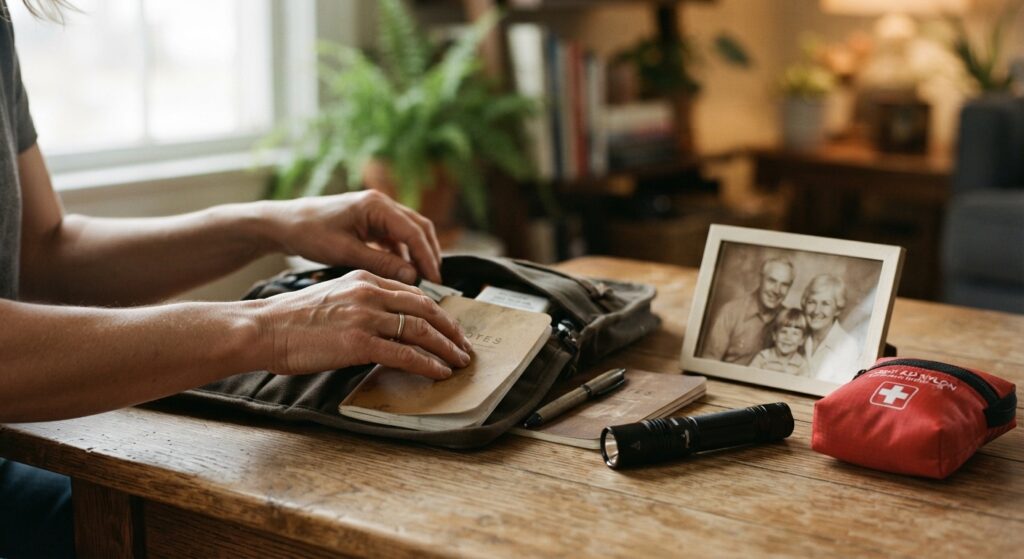
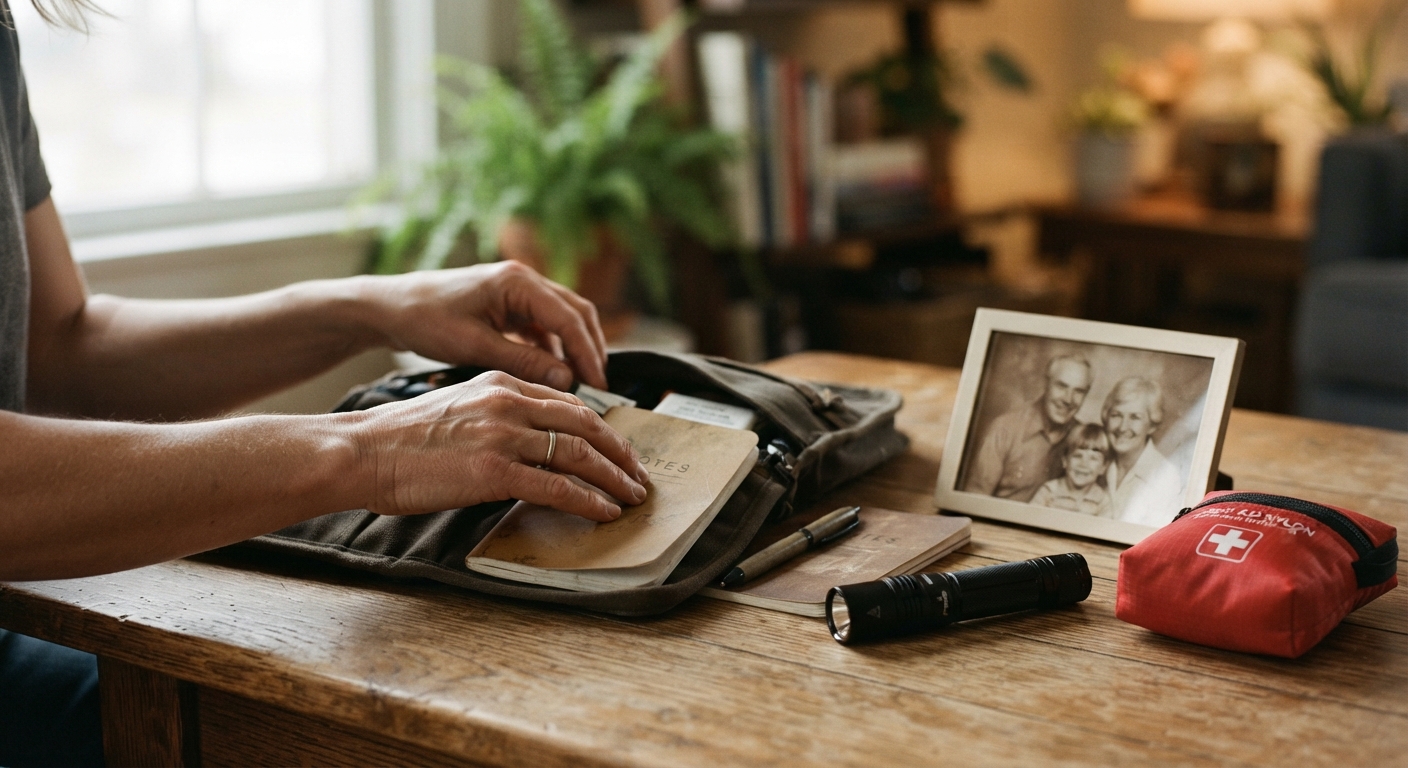
Add non-tactical items to your bag. This might include a deck of cards, a journal, or photos of your family. These items act as ‘grounding anchors’ that remind you of your purpose during the crisis. For children, a small toy or a familiar book can prevent them from mirroring your stress, which in turn keeps you calmer.
Phase 3: Managing Information Flow
Information overload is a major cause of panic. During an emergency, limit your exposure to rumors and unverified social media updates. Use a dedicated, battery-powered radio to listen to official broadcasts. Knowing when to stop consuming information and start acting is a critical skill for maintaining psychological equilibrium.
Common Pitfalls to Avoid
One common mistake is neglecting sleep and hydration. Even in an emergency, your cognitive function drops precipitously when you are dehydrated or exhausted. Ensure your kit includes high-quality electrolyte packets and a comfortable sleeping mask or earplugs, which can be essential if you are forced to shelter in a noisy, public evacuation center.
Frequently Asked Questions
How do I stop panic during an emergency?
Panic is a physiological reaction. Use deep, controlled breathing to physically slow your heart rate. Once your heart rate slows, focus on one small, actionable task at a time. Breaking a large problem into small steps prevents the feeling of being overwhelmed.
Should I include comfort items in my go bag?
Yes. Items that provide comfort or a sense of normalcy are not ‘extra weight.’ They are essential tools for maintaining morale and mental stability, especially if you have children or elderly family members with you.
How does physical health affect my mental resilience?
Physical and mental health are linked. If you are hungry, thirsty, or in pain, your ability to think clearly is compromised. Proper nutrition and rest are the foundations of a resilient mind.
What is the ‘Rule of Three’ for psychological survival?
While the physical rule of three covers air, shelter, and water, the psychological rule is: keep your cool, keep your focus, and keep your connection to your group. Never sacrifice your mental clarity for speed.
Conclusion & Summary
Psychological resilience is the most underrated asset in any emergency go bag. While physical supplies keep your body alive, your mindset determines how effectively you use those supplies to navigate the crisis. By practicing stress-reduction techniques, curating comfort-based items, and pre-planning your responses, you insulate yourself against the paralyzing effects of fear. Remember that your goal is not just to survive, but to maintain your ability to act with intention and care for your loved ones. Start building your mental survival kit today—it is the one piece of gear that you will never have to worry about running out of batteries or expiring. Stay prepared, stay calm, and keep your focus on what matters most.
